

Somewhere between the first serious conversation about "when should we get married" and the moment a date finally gets circled on the family calendar, there's always a phone call to the family Pandit. In Hindu tradition, a wedding isn't simply scheduled — it's aligned. The Vivah Muhurat, the precise auspicious window calculated from the Panchang, is believed to set the tone for the marriage's harmony, prosperity, and longevity.
If you're planning a wedding for late 2026 or searching for Vivah Muhurat 2027 dates, you've likely already discovered the frustrating truth: September and October 2026 have no Vivah Muhurat dates in the North Indian calendar. This guide gives you the complete, deeply researched picture — the North Indian Panchang dates and the South Indian (Telugu, Tamil, Kannada) Panchangam dates from after September 2026 through Vivah Muhurat 2027, why certain months are avoided, and how to book a verified Pandit for your Vivah Sanskar wherever in India you're getting married.
Why There Are No Vivah Muhurat Dates in September–October 2026
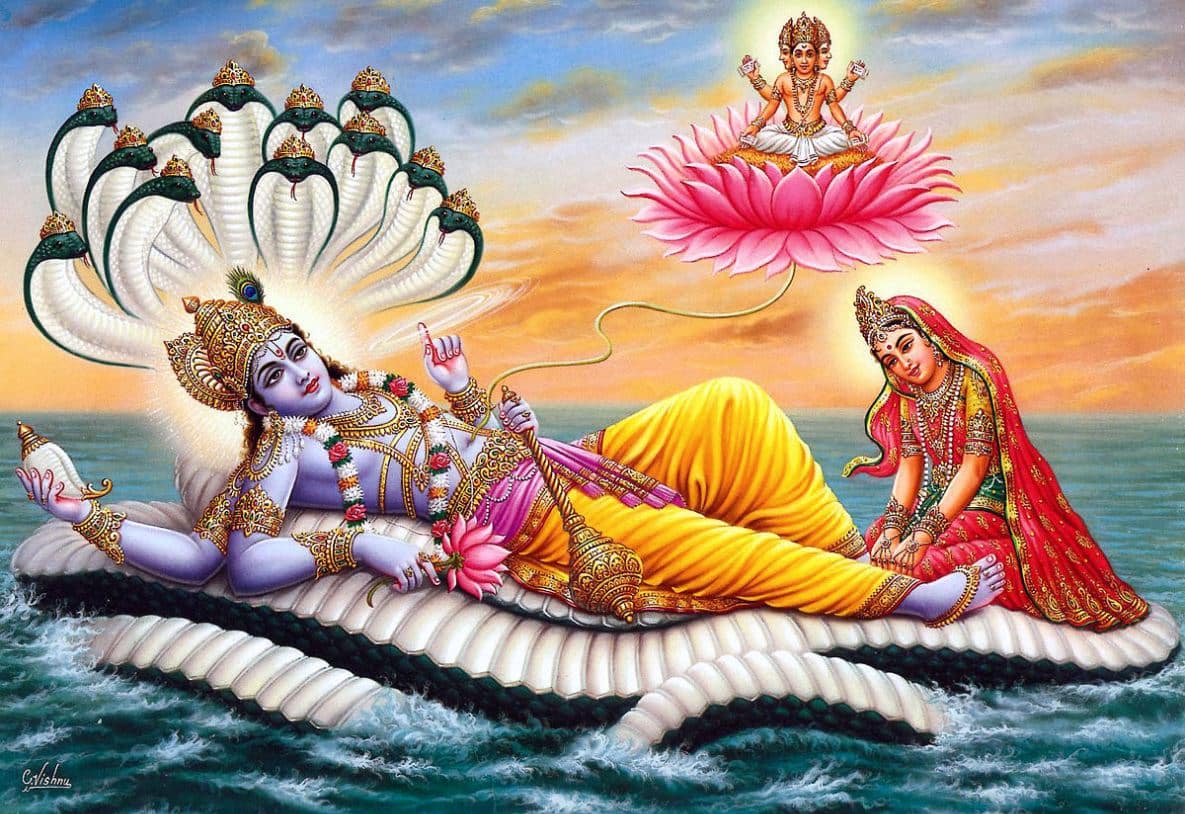
If you've searched for a Vivah Muhurat in September or October 2026 and come up empty, you're not missing anything — there genuinely are none in the North Indian Panchang. This period falls within Chaturmas, the four-month span when Lord Vishnu is believed to go into cosmic rest (Yoga Nidra), beginning with Devshayani Ekadashi and ending with Dev Uthani (Prabodhini) Ekadashi. Auspicious ceremonies, especially weddings, are paused throughout this window across most of North India.
When Vishnu Sleeps, Weddings Wait
According to tradition, Lord Vishnu enters a four-month cosmic sleep during Chaturmas, and no major life-cycle ceremony — least of all a wedding — is considered complete or auspicious without his blessing. The moment he "wakes" on Dev Uthani Ekadashi, the wedding season begins in earnest, often with a rush of ceremonies performed on the very same day.
Planning your Vivah for late 2026 or 2027? Book a verified Pandit early.
North & South Indian traditions available · Free date consultation · Starting ₹5,100
North Indian vs South Indian Vivah Muhurat — What's the Difference?
Both traditions avoid Chaturmas and the Sun's transit through Sagittarius, but they follow different regional Panchangams, use different Masam (month) names, and can sometimes disagree on the exact date by a day or two. Tap below to see each tradition's calendar:
North Indian Vivah Muhurat — After September 2026
Following the Hindi Panchang used across Delhi NCR, Uttar Pradesh, Rajasthan, Madhya Pradesh, Bihar and most of North India, here is the complete post-September calendar:
| Period | Status | Key Dates / Notes |
|---|---|---|
| September 2026 | No Dates | Chaturmas in effect — no Vivah Muhurat available. |
| October 2026 | No Dates | Chaturmas continues through the month. |
| November 2026 | 4 Dates | 21, 24, 25, 26 — dates resume right after Dev Uthani Ekadashi (Nov 21). |
| December 2026 | 7 Dates | 2, 3, 4, 5, 6, 11, 12 — the last window before Kharmas begins. |
| Dec 16, 2026 – Jan 14, 2027 | Kharmas | Sun transits Dhanu (Sagittarius) — no auspicious dates in either tradition. |
| January 2027 | ~5 Dates | Resumes from January 15 onward, post Makar Sankranti. |
| February 2027 | ~5 Dates | Steady wedding season activity. |
| Early March 2027 | ~3 Dates | Limited — Holashtak (8 days before Holi) and the Meena Sankranti Malmas approach. |
| April 2027 | ~6 Dates | Post-Holi wedding season picks back up. |
| May 2027 | ~8 Dates | Busiest Month The single busiest wedding month of the 2027 calendar. |
| June 2027 | ~6 Dates | Continued strong wedding activity before monsoon. |
| July 2027 | ~3 Dates | Final dates before the next Chaturmas begins. |
South Indian Marriage Muhurtham — After September 2026
Telugu, Tamil and Kannada Panchangams follow the same broader avoidance of Ashada Masam, Shravana Masam and Chaturmasam, but their Masam-based calendar often opens up auspicious dates slightly ahead of the North Indian Panchang:
| Period / Masam | Status | Key Dates / Notes |
|---|---|---|
| Bhadrapada Masam (Aug 12 – Sep 11) | No Dates | Off-season for weddings in Telugu, Tamil & Kannada tradition. |
| September 2026 | Very Limited | Overlaps with Bhadrapada / early Ashwin Masam — largely avoided. |
| Karthika Masam (Oct 10 – Nov 8) | Dates Available | Opens Early South Indian dates begin nearly six weeks before North India's calendar resumes. |
| Margashira Masam (Nov 8 – Dec 8) | Peak Season | Considered one of the most auspicious Masams for South Indian weddings. |
| Early December 2026 | Dates Available | Wedding activity continues until mid-December. |
| Dec 16, 2026 – Jan 14, 2027 | Dhanurmasam | Sun transits Dhanu Rashi — avoided across Telugu, Tamil & Kannada tradition, same window as North Indian Kharmas. |
| Mid-to-Late January 2027 | Dates Resume | Resumes after Makara Sankranti (Jan 14); early mornings are traditionally preferred (Valarpirai Muhurthams). |
| Magha & Phalguna Masam (Feb – Mar 2027) | Dates Available | Fresh wave of Telugu and Tamil wedding bookings through February and March. |
| Vaishakha Masam (Apr – May 2027) | Peak Season | Includes Akshaya Tritiya, an Abujha (unconditionally auspicious) date needing no separate muhurat check. |
| Ashadha & Shravana Masam (Jun – Aug 2027) | Off Season | Avoided again due to Ashada Masam and the approach of Chaturmasam. |
Book a Pandit trained in North Indian or South Indian Vivah traditions.
Free consultation to confirm your date & Lagna · Verified Pandits · All major cities
Understanding the Astrological Blocks — Chaturmas, Kharmas & Dhanurmasam
Chaturmas
The four-month period when Lord Vishnu rests. All-India avoidance of weddings, Griha Pravesh, and other major ceremonies.
Kharmas (North)
Believed to weaken the Sun's auspicious influence on new beginnings; observed across North India, ends with Makar Sankranti.
Dhanurmasam (South)
Telugu, Tamil and Kannada communities avoid weddings during this month, resuming activity after Makara Sankranti.
Vivah Muhurat Timing by City
Muhurat timings shift by 30 to 45 minutes between cities depending on local sunrise and sunset. Tap your city for a quick reference on regional preferences:
Vivah Muhurat in Delhi NCR
Delhi, Noida, Gurugram, Ghaziabad and Faridabad follow the North Indian Panchang closely, with most Vivah ceremonies scheduled in the evening or late night Lagna.
Vivah Muhurat in Mumbai & Pune
Maharashtrian weddings often follow a blend of North Indian Panchang timing with regional customs like Antarpat and Sankalp specific to Marathi tradition.
Vivah Muhurat in Bangalore
Bangalore hosts a mix of Kannada, Tamil and Telugu wedding traditions, so muhurat preference depends heavily on the family's regional background.
Vivah Muhurat in Hyderabad
Hyderabad and Telangana households largely follow the Telugu Panchangam for their Pelli Muhurtham, with strong preference for early-morning ceremonies.
Vivah Muhurat in Ahmedabad
Gujarati weddings follow the North Indian Panchang with distinctive regional rituals, often scheduled in the evening Lagna.
Vivah Muhurat dates fill up fast — the November-December window is short.
Book your Pandit 4–6 weeks in advance · All 6 cities covered
How a Vivah Muhurat Is Calculated
A qualified Pandit or astrologer cross-checks five key Panchang elements before confirming a Vivah Muhurat:
Tithi (Lunar Day)
The six auspicious tithis for marriage are Dwitiya, Tritiya, Panchami, Saptami, Ekadashi and Trayodashi. Rikta tithis (4th, 9th, 14th) and Amavasya are avoided.
Nakshatra (Moon's Position)
Favoured Nakshatras include Rohini, Mrigashira, Magha, Uttara Phalguni, Hasta, Swati, Anuradha, Mula, Uttara Ashadha, Uttara Bhadrapada and Revati.
Yoga (Sun-Moon Angle)
Certain planetary Yogas formed by the relative positions of the Sun and Moon are considered auspicious or inauspicious for beginning a marriage.
Karana (Half-Tithi)
Each tithi is divided into two Karanas; specific Karanas are preferred for the Vivah Sanskar to proceed smoothly.
Vaar (Day of the Week)
Monday, Wednesday, Thursday and Friday are generally preferred; Thursday, ruled by Jupiter (Brihaspati), is considered especially auspicious.
Guru & Shukra Tara Bala
Marriage rituals are avoided entirely while Jupiter (Guru) or Venus (Shukra) are combust or "set" (Asta) — this alone rules out several otherwise-favourable dates each year.
A Calendar Date Isn't the Full Answer
These panchang-level dates tell you which days are generally auspicious, but the exact Lagna (hour) still needs to be fixed for your specific venue and city, and cross-checked against both partners' birth charts — especially the running Dasha periods. A calendar date is the starting point, not the final answer.
Vivah Sanskar Samagri List
Your Pandit carries the puja texts and ritual implements. Arrange the following for the wedding ceremony:
Vivah Sanskar Vidhi — Step by Step
Ganesh Puja & Sankalp
The ceremony begins with worship of Lord Ganesh to remove obstacles, followed by the Sankalp — the names, gotras, and intentions of both families formally declared.
Var Aagman & Jaimala
The groom's procession (Baraat) arrives and is welcomed; the bride and groom exchange garlands (Jaimala/Varmala) symbolising mutual acceptance.
Kanyadaan
The bride's father formally gives away his daughter, one of the most emotional and significant rituals of the entire ceremony.
Vivah Homa & Saptapadi
A sacred fire (Agni) is lit as the divine witness. The couple takes seven steps together (Saptapadi) around the fire, each step representing a vow for their married life.
Sindoor Daan & Mangalsutra
The groom applies sindoor to the bride's hair parting and ties the Mangalsutra, formally marking her as a married woman.
Aashirvad & Vidaai
Elders bless the couple, followed by Vidaai — the emotional farewell as the bride leaves her parental home to begin her new life.
Choose Your Vivah Puja Package
Each package includes a verified Pandit, complete vidhi, and coordination support. Pick the one that matches your tradition:
Standard Vivah Sanskar
The complete traditional wedding ceremony — Ganesh Puja, Kanyadaan, Vivah Homa and Saptapadi, performed by a verified Pandit in your family's tradition.
- Ganesh Puja + Sankalp
- Kanyadaan & Varmala guidance
- Vivah Homa
- Saptapadi (7 vows)
- Sindoor Daan & Mangalsutra
- Aashirvad & Vidaai guidance
South Indian Kalyanam
A dedicated package following Telugu, Tamil or Kannada wedding customs, with early-morning muhurtham scheduling and regional rituals.
- Everything in Standard Vivah Sanskar
- Nischitartham / Engagement guidance
- Kashi Yatra, Oonjal, Talambralu rituals
- Early morning muhurtham scheduling
- Regional Pandit matched to your community
Elaborate Vivah with Multiple Ceremonies
The full multi-day wedding experience covering Haldi, Mehendi, Sangeet blessings, and the main Vivah Sanskar with multiple Pandits for larger weddings.
- Everything in Standard Vivah Sanskar
- Haldi & Mehendi ceremony guidance
- Ganesh-Gauri Puja (pre-wedding)
- Extended Vivah Homa with full samagri
- Multiple Pandits for larger gatherings
- Personalised Muhurat & Lagna consultation
Vivah Puja Across Our Cities
Puja Purohit provides verified Pandits for Vivah Sanskar across our operating cities:
Why Families Trust Puja Purohit for Vivah Puja
North & South Indian Pandits
Trained in both Hindi Panchang and Telugu, Tamil, Kannada Panchangam traditions.
Free Muhurat Consultation
We help you confirm the right Vivah Muhurat and Lagna for your city and charts.
On-Time Guarantee
Muhurat timing matters most on your wedding day. Pandit arrives on time — guaranteed.
6 Major Cities Covered
Delhi NCR, Mumbai, Pune, Bangalore, Hyderabad & Ahmedabad.
WhatsApp Coordination
Booking, samagri list, Pandit contact, day-of coordination — all on WhatsApp.
3 Puja Packages
Standard, South Indian Kalyanam & Elaborate multi-day — all with verified Pandits.
Your Wedding Day, Aligned to the Stars
A Vivah Muhurat comes with real constraints — Chaturmas, Kharmas, Dhanurmasam — but within those constraints lie precious windows meant just for beginnings like yours. Whether you're planning a North Indian Vivah in Delhi or a South Indian Kalyanam in Hyderabad, book your Pandit early, confirm your exact Lagna, and let the Saptapadi mark the start of a lifetime together. Shubh Vivah!
Frequently Asked Questions — Vivah Muhurat 2026 & 2027
Are there any Vivah Muhurat dates in September or October 2026?
No. September and October 2026 fall within Chaturmas, the four-month period when Lord Vishnu is believed to rest, and no auspicious marriage dates are noted in the North Indian Panchang for these months. The South Indian Panchangam also has very limited dates in this window, though Karthika Masam beginning October 10, 2026 opens up South Indian dates ahead of the North Indian calendar.
When do Vivah Muhurat dates resume after Chaturmas in 2026?
For North India, dates resume after Dev Uthani Ekadashi on Saturday, November 21, 2026. The first available dates are November 21, 24, 25 and 26, followed by December 2, 3, 4, 5, 6, 11 and 12, 2026. For South India, Karthika Masam (from October 10) and Margashira Masam (from November 8) already carry auspicious dates ahead of the North Indian calendar.
What is Kharmas and Dhanurmasam, and when do they fall in 2026-27?
Both refer to the period when the Sun transits Sagittarius (Dhanu Rashi), considered inauspicious for weddings. In 2026-27, this runs from approximately December 16, 2026 to January 14, 2027, ending with Makar Sankranti. No Vivah Muhurat dates are available in either the North or South Indian calendar during this window.
What are the best Vivah Muhurat 2027 dates?
Vivah Muhurat 2027 opens with a full calendar from mid-January onward — roughly 5 dates in January, 5 in February, 3 in early March, 6 in April, and around 8 in May, typically the busiest wedding month of the year. Dates become sparse again from mid-July 2027 as the next Chaturmas approaches.
How is South Indian marriage muhurat different from North Indian Vivah Muhurat?
Both avoid Chaturmas and the Sun's transit through Sagittarius, but they follow different regional Panchangams, so exact dates, Nakshatra preferences and Masam names differ. South Indian marriages typically favour early morning muhurtham timings, while North Indian Vivah Muhurat is often set in the evening or late morning depending on the Lagna.
How do I book a Pandit for Vivah in 2026 or 2027?
Visit pujapurohit.in/puja-service/pandit-for-vivah, select your city, choose your tradition and preferred Vivah Muhurat date, and a verified Pandit is assigned within 30 minutes with WhatsApp confirmation. Book at least 4-6 weeks in advance for peak dates, as popular Vivah Muhurat dates fill up quickly across all cities.