


Divine Guardians of Sanatan Dharma: Kuldevta, Gram Devta, and Ishta Devta
15 Jun 2024 • 1 min read

Ajit Singh
Author

 11925
11925 11925
11925
Exploring the Divine Guardians of Sanatan Dharma: Kuldevta, Gram Devta, and Ishta Devta
Namaste and welcome to our spiritual journey into the heart of Sanatan Dharma by pujaPurohit! Our rich cultural heritage is a tapestry woven with divine threads, each representing a unique aspect of our beliefs and traditions. Today, we delve into the sacred concepts of Kuldevta, Gram Devta, and Ishta Devta – the divine guardians that protect and guide us.
Kuldevta/Kuldevi: The Family Deity
In the realm of Sanatan Dharma, the Kuldevta or Kuldevi holds a revered place in every family. The term "Kuldevta" is derived from "Kul" meaning family and "Devta" meaning deity. This divine guardian is the protector of the family lineage, ensuring the well-being and prosperity of all its members. Your very existence is a gift passed down from your ancestors, sustained by the blessings of your Kuldevta.
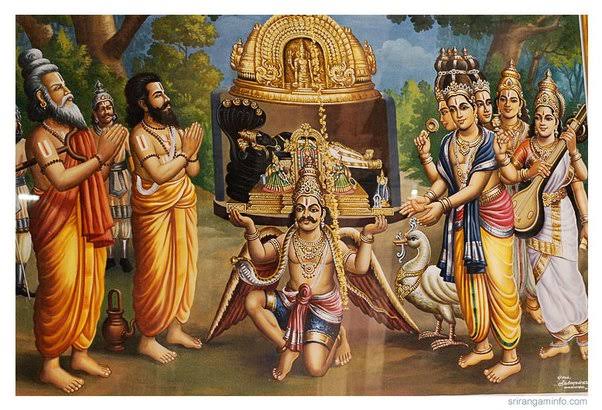
The significance of the Kuldevta is deeply rooted in our traditions and rituals. From auspicious events like weddings, births, and sacred thread ceremonies (Yajnopavit samskars), the first homage is always paid to the family deity. This act of devotion is not just a ritual; it is an acknowledgment of the divine protection and blessings that have safeguarded the family line through generations. Historical references abound where kings and rulers built grand temples dedicated to their Kuldevta, underscoring the deity's paramount importance.
Gram Devta: The Village Deity
Moving from the family to the community, we encounter the Gram Devta – the guardian of the village. Unlike the Kuldevta, the Gram Devta is not specific to any one family but is revered by all the residents of a particular village or region. The term "Gram Devta" combines "Gram," meaning village, and "Devta," meaning deity.
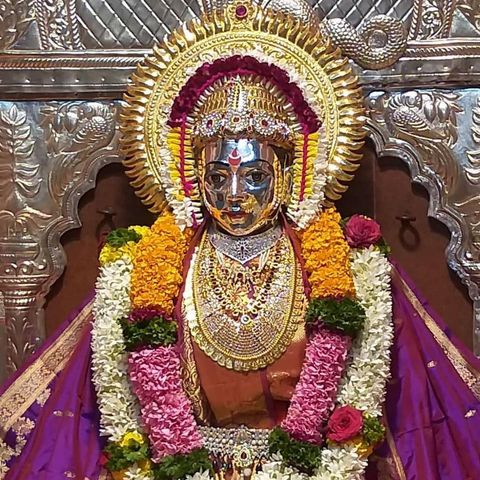
The worship of the Gram Devta is a community-centric practice, fostering unity and collective well-being. Festivals and rituals dedicated to the Gram Devta are vibrant events, bringing together villagers to celebrate and seek blessings. The Gram Devta is believed to protect the village from calamities, ensuring peace and prosperity for all its inhabitants. This communal bond, strengthened by shared faith, creates a harmonious environment where everyone feels connected and supported.
Ishta Devta: The Personal Deity
At the core of individual spirituality lies the concept of the Ishta Devta. Derived from "Ishta," meaning cherished or desired, the Ishta Devta is the personal deity that an individual chooses to worship. This divine figure holds a special place in the heart, offering guidance, protection, and a deep sense of personal connection.
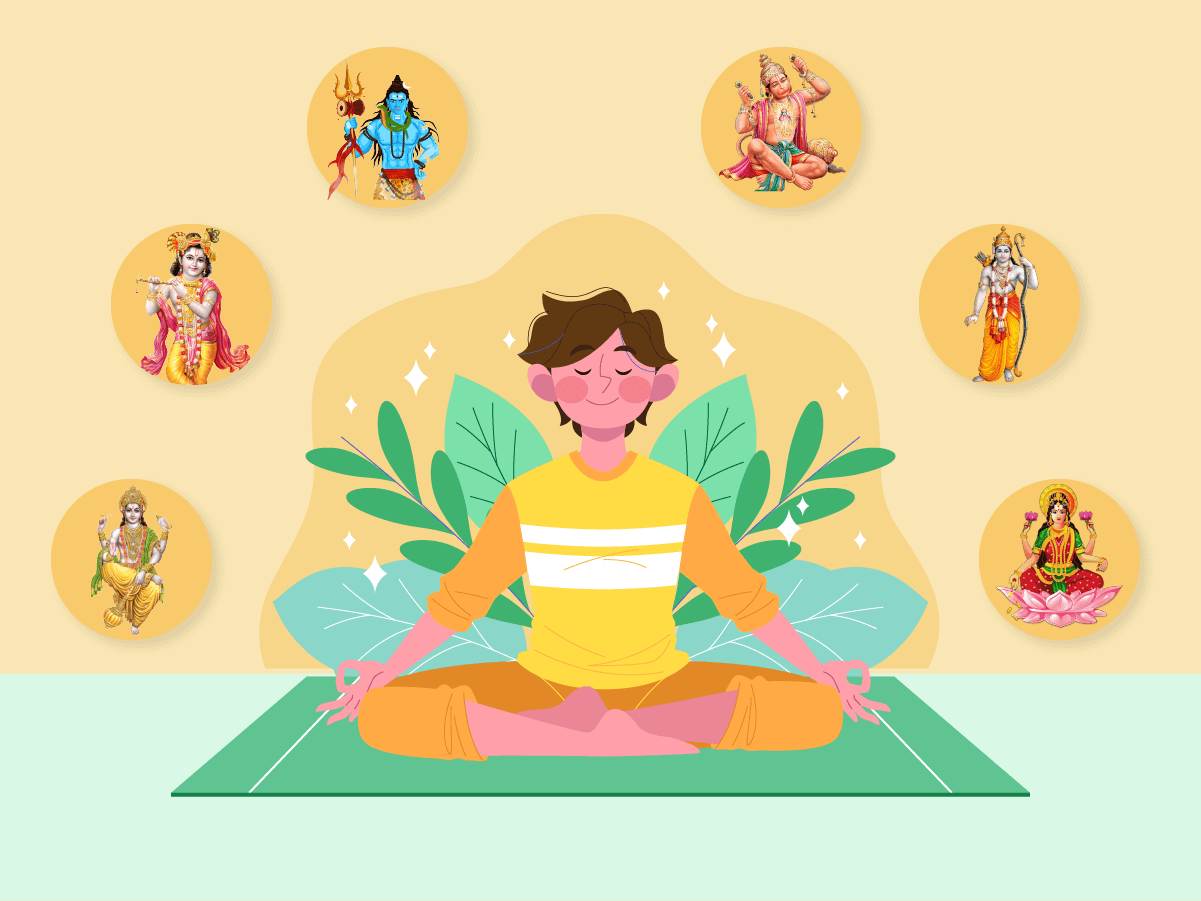
The Ishta Devta can be any deity that resonates with the individual's spiritual inclinations. It is a personal choice, reflecting one's inner desires and aspirations. While the Kuldevta is always honored first, the Ishta Devta provides an intimate spiritual relationship that nurtures personal growth and devotion. In some instances, a revered Guru, who embodies divine wisdom and love, can also be worshipped as an Ishta Devta.
Embracing Our Divine Heritage
The concepts of Kuldevta, Gram Devta, and Ishta Devta are not just religious beliefs but integral parts of our cultural and spiritual identity. They remind us of the divine connections that enrich our lives, providing protection, guidance, and a sense of belonging. As we honor these deities, we pay homage to our ancestors, celebrate our community, and nurture our personal spiritual journey.
In today's fast-paced world, it is essential for the youth to reconnect with these timeless traditions. Embracing our divine heritage helps us stay rooted, fostering a sense of purpose and unity. Whether through family rituals, community festivals, or personal devotion, these practices bring us closer to the divine, enriching our lives with grace and blessings.
Let us honor our Kuldevta, celebrate our Gram Devta, and cherish our Ishta Devta. Together, we can build a future rooted in faith, tradition, and unity, ensuring that the divine blessings continue to guide and protect us for generations to come.
Jai Hind! 🙏
Follow us on Instagram for more inspiring stories and insights into our Sanatan Dharma heritage. Let's keep the flame of our traditions alive!
@pujapurohitofficial #Kuldevta #GramDevta #IshtaDevta #SanatanDharma #YouthPower #SpiritualJourney
10 Must Visit Spiritual Places Around Deoghar within 50 km
Explore the top 10 spiritual sites near Deoghar within 50 km. A complete guide to Baidyanath Dham, Basukinath, Trikut Hills, and more for your 2026 pilgrimage
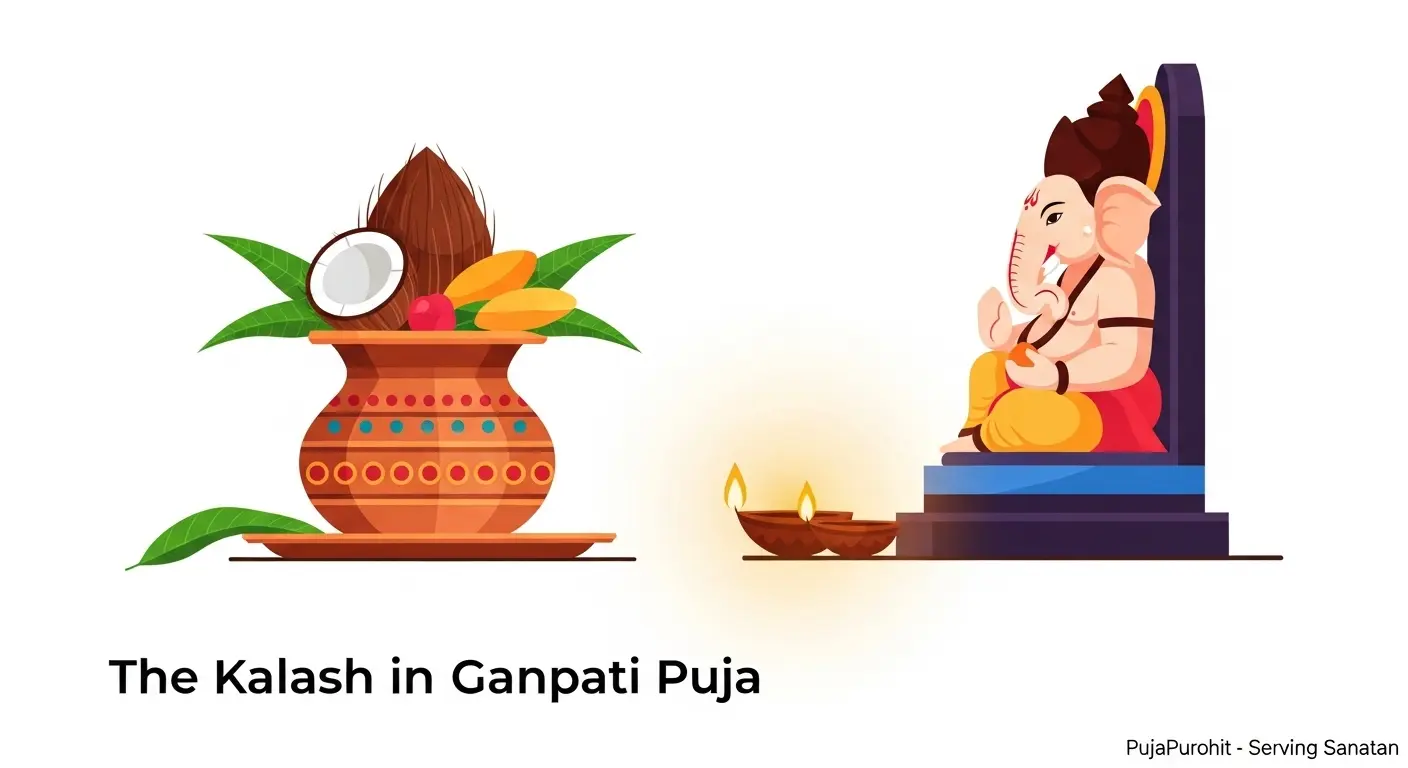
Why Do We Place Kalash in Ganpati Puja? Significance and Rituals for Ganesh Chaturthi 2025
Discover the profound significance of placing a Kalash in Ganpati Puja for Ganesh Chaturthi 2025. Learn about its symbolism, Vedic rituals, and the correct muhurat. Book a verified pandit with pujaPurohit for an authentic celebration.
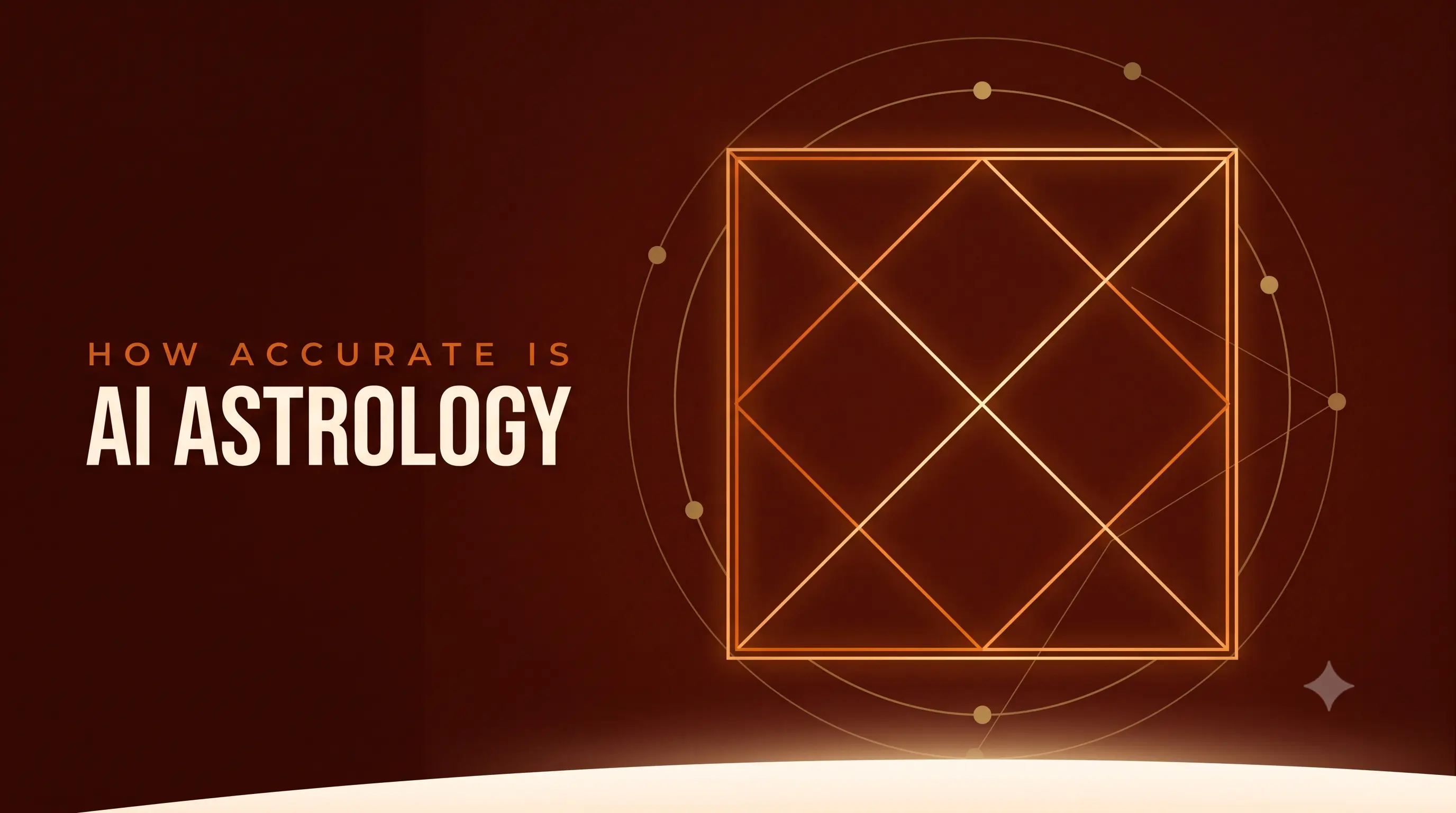
Is AI Astrology Accurate Free AI Astrologer Guide 2026
Is AI astrology accurate? The chart calculation is exact mathematics; the reading is judgement. An honest guide to free AI astrologers, AI kundli and what they cannot do.
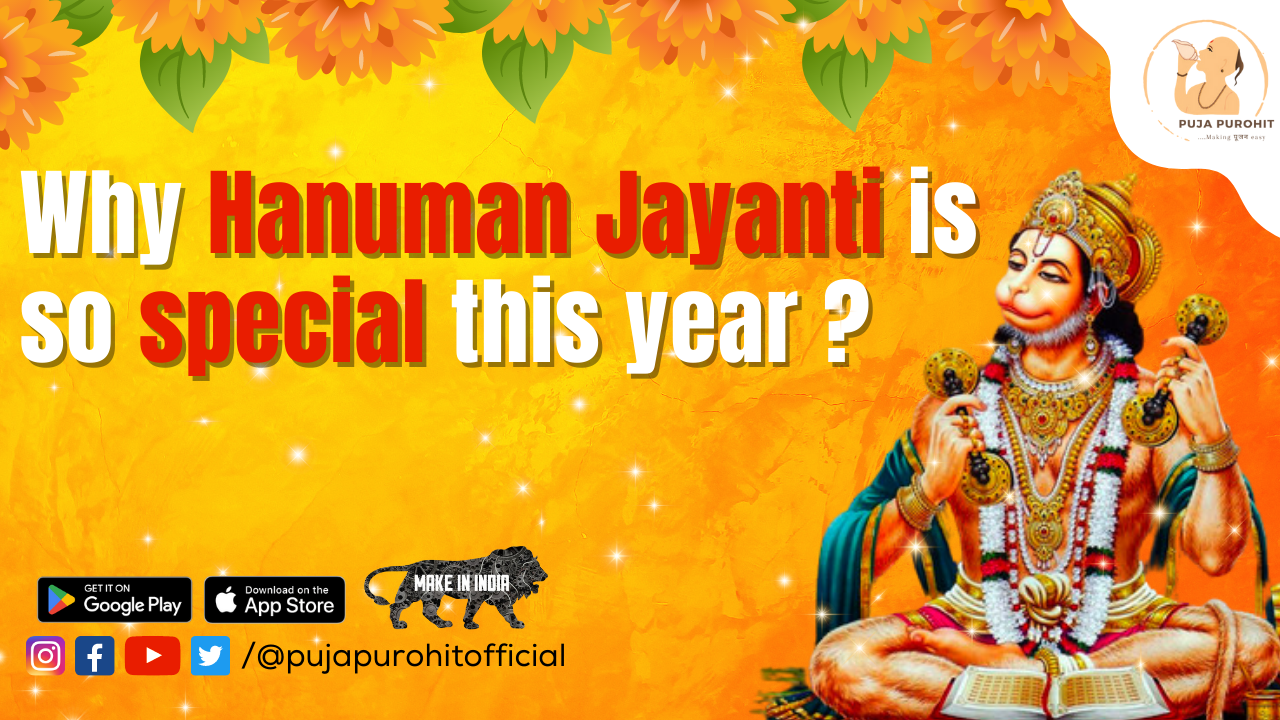
Hanuman Jayanti 2023 : Know importance and Puja Muhurta of this Special Occasion
Know why Hanuman Jayanti is so special in 2023, Also find the auspicious muhurt for puja.
.png?alt=media&token=2fba4a4f-1733-42de-ae7b-294b6655e626)
Raksha Bandhan 2024 :भद्राकाल में राखी क्यों नहीं बांधनी चाहिए?
ज्योतिषीय गणनाओं के अनुसार, इस साल 19 अगस्त को शुभ संयोग के साथ रक्षाबंधन के मौके पर भद्रा का साया रहेगा।
Your spiritual need,
just a tap away.
Your spiritual need,
just a tap away.